Tracing My Roots: A Journey That Changed My Life
Three years ago, I set out on a mission to trace my roots. I wanted to learn more about my family history, where I came from, and the people whose lives made mine possible. I never imagined where that journey would lead.
I was born in Isabela, Philippines, to an Ilocano mother and an Igorot father. Growing up, I knew where I was born, but as I got older, I became curious about the generations before me. The more I searched, the more I realized that our family story stretched far beyond the place I called home.
I learned that my mother’s roots trace back to Pangasinan, although she was born later in Roxas, Isabela. My father’s family was from Ilocos Sur, and through my research, I discovered that our ancestors originally came from Sagada, Mountain Province. Over the years, my father’s family migrated to Baggao, Cagayan, before eventually settling in Isabela. It was there that my parents met, fell in love, married, and built a life together in Alicia, Isabela. That journey across generations eventually led to me.
Determined to uncover more of our family history, I reached out to my late father’s brother, my uncle, a retired police officer in the Philippines. I asked him everything he could remember about our family. During our conversation, he casually mentioned that we had relatives in Canada. Even more surprising, he said they were living in Edmonton, the very city where I now live.
Curious and excited, I searched for them on Facebook. To my amazement, I found my Aunt Herminia and her family. They had also come from Ilocos Sur. What started as a simple online search quickly turned into conversations, shared family stories, and eventually something even more meaningful.
Meeting my paternal relatives in person for the very first time was an unforgettable experience. Although we had never met before, there was an instant sense of familiarity. It felt like reconnecting with a missing piece of my family’s story. We laughed, shared memories passed down through generations, compared family traits, and discovered connections we never knew existed. It was one of those rare moments that reminded me how small the world can be and how deeply family ties can endure despite time and distance.
That experience made me realize that tracing our roots is not just about building a family tree. It is about discovering who we are, understanding the sacrifices of those who came before us, and appreciating the culture, traditions, and values that have been passed down through generations. Knowing our roots gives us a stronger sense of identity and belonging, especially when life takes us far from the place where our family began.
Many of us spend our lives looking ahead, chasing goals and planning for the future. But sometimes, looking back helps us move forward with greater purpose. Every family has stories worth preserving, lessons worth learning, and people worth remembering. If we do not ask questions today, those stories may be lost forever.
Simple Ways to Trace Your Roots
• Talk to your parents, grandparents, aunts, uncles, and older relatives. Record their stories while you still can.
• Gather old photographs, letters, birth certificates, and family documents.
• Create a simple family tree and continue adding names and stories as you learn more.
• Explore genealogy websites and historical records.
• Visit your hometown or your family’s place of origin if possible.
• Connect with relatives through social media or family networks.
• Learn about your family’s traditions, language, recipes, and cultural practices, and pass them on to the next generation.
Tracing my roots gave me more than names and dates. It gave me a deeper appreciation for my family’s journey and reminded me that every generation plays a role in shaping the next. One day, our children and grandchildren may want to know where they came from. The stories we preserve today become the roots they stand on tomorrow.
If there is one thing this journey taught me, it is that sometimes the answers we are searching for are closer than we think. All it takes is the courage to ask questions, the determination to keep looking, and an open heart to embrace the family waiting to be found.
As I learned more about my father’s side of the family, I also became curious about my Igorot heritage. The term “Igorot” generally refers to several Indigenous peoples of the Cordillera region in Northern Luzon, including Mountain Province, Ifugao, Benguet, Kalinga, Abra, and Apayao. For centuries, the Igorot people have been known for their resilience, independence, deep respect for nature, and strong sense of community.
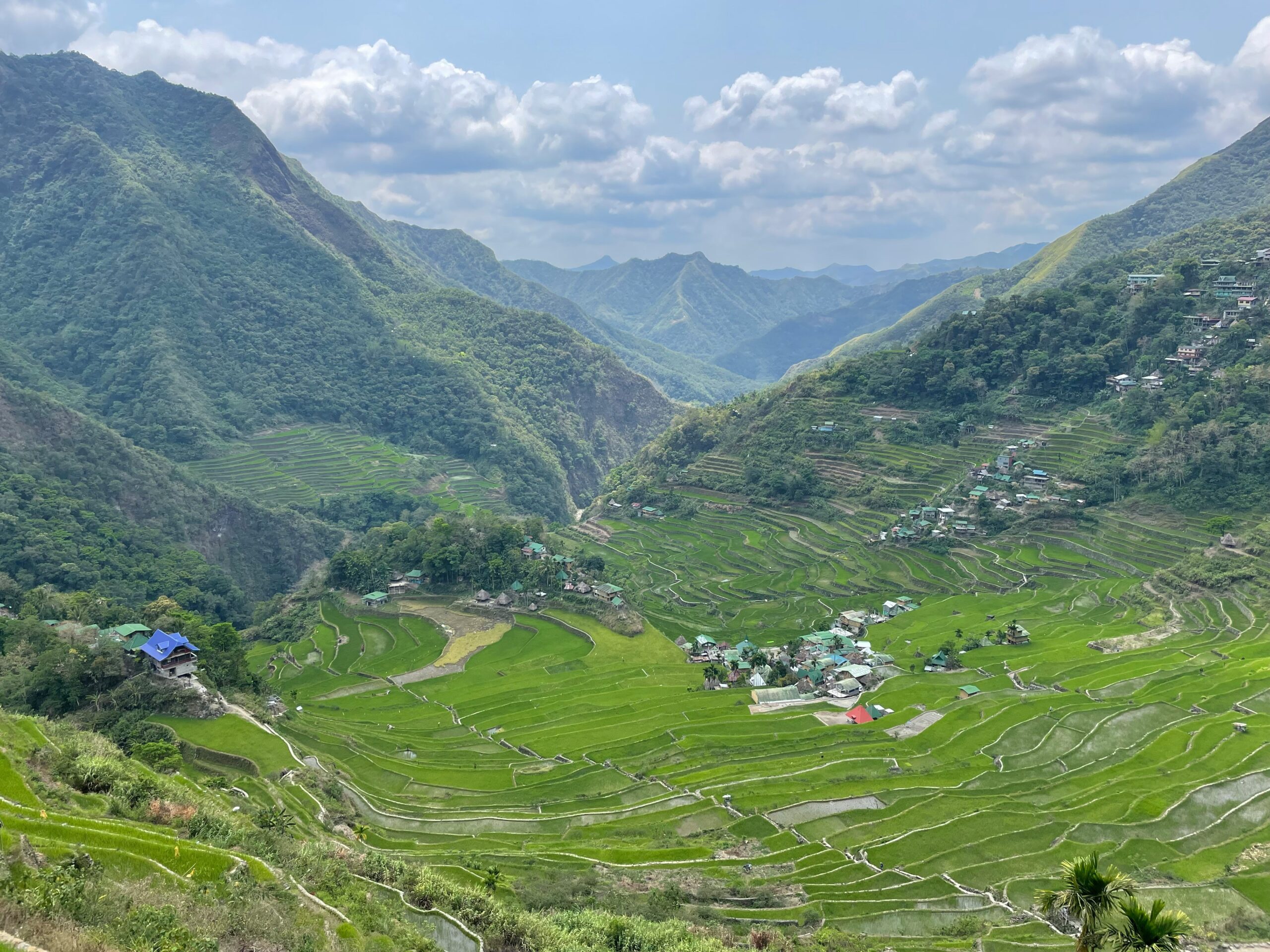
One of their greatest achievements is the creation of the world-renowned rice terraces of the Cordillera, including the Banaue Rice Terraces and other ancient terrace systems. Built by hand over many generations using simple tools and an ingenious irrigation system fed by mountain forests, these terraces remain a testament to the Igorot people’s engineering, agricultural knowledge, and sustainable way of living. They continue to be recognized as one of humanity’s greatest cultural and engineering accomplishments.
The Igorot people were also known for successfully preserving much of their culture and identity through centuries of change. While many lowland communities came under Spanish colonial rule, many Igorot groups in the highlands maintained their traditions, customary laws, languages, and social structures. Their legacy of resilience has allowed many of these customs to survive to the present day.
Their achievements extend beyond agriculture. The Igorot are respected for their craftsmanship in woodcarving, weaving, blacksmithing, basketry, and architecture. Their traditional houses were thoughtfully designed for the mountain climate, and their intricate woven textiles continue to tell stories of identity, family, and community. Music, dances, oral traditions, and community celebrations have also been carefully preserved and passed from one generation to the next.
As I discovered that my father’s ancestors originally came from the Sagada area in Mountain Province, I felt an even deeper appreciation for this remarkable heritage. Knowing that I come from a people whose history is marked by resilience, innovation, and respect for both community and nature fills me with pride. I hope to one day visit the Cordillera, walk where my ancestors once lived, learn more about their traditions, language, and culture, and preserve these stories so they can be passed on to my children and future generations.
Leave a Reply